
These small pelagic fish found in Australian waters are known as Slimy Mackerel or Blue Mackerel. They are well known as food for larger predatory fish, but that’s not all they’re good for. Freshly caught mackerel can also be prepared for the table, on the grill or in a smoker.
What Is Slimy Mackerel?
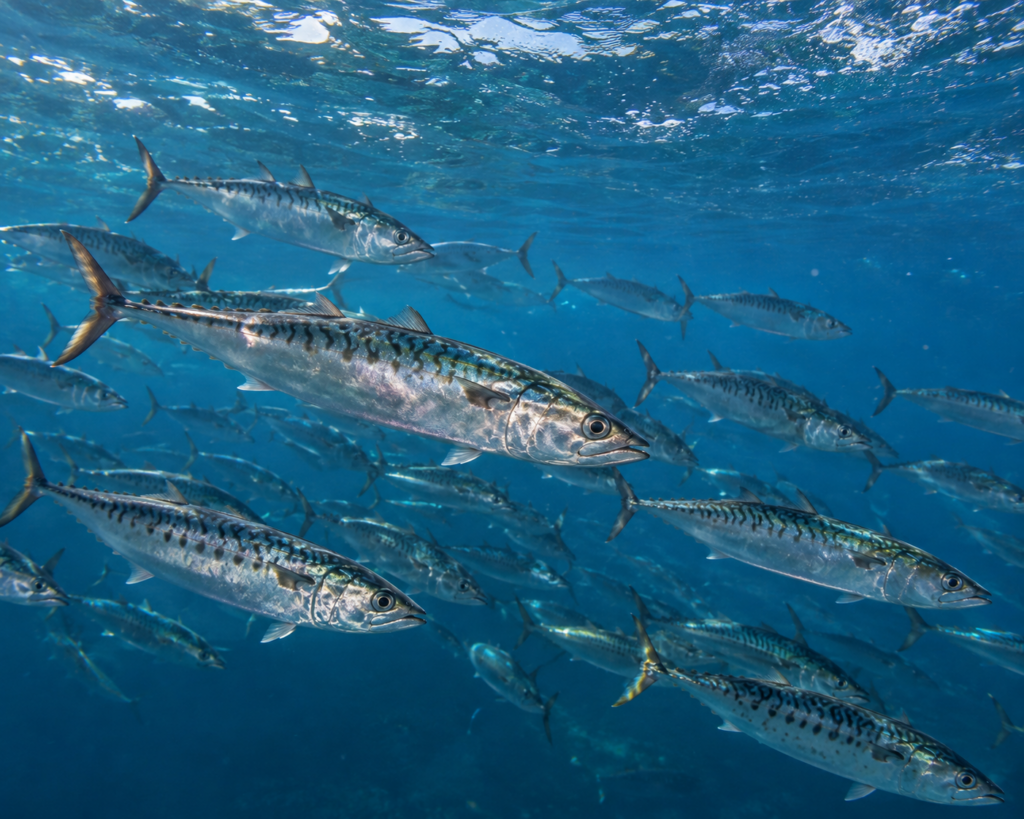
Blue Mackerel, Scomber australasicus, is the standard name for what is also commonly known as Slimy Mackerel. Blue Mackerel is an important prey species in Australian fisheries and is a popular bait for recreational fishers.
The fish are streamlined and form schools, making them attractive prey for larger predators and an important component of the marine food web. These traits also make them useful bait for anglers looking for larger predators. For people exploring Gold Coast fishing locations, finding schools of baitfish can be as crucial as finding the species they are seeking to catch.
Why Slimy Mackerel Make Effective Live Bait
Attracting Larger Predatory Fish
Slimy Mackerel are commonly used as bait because they are natural food for predatory fish. A moving baitfish can offer a natural profile and action that differ from those of an artificial lure or dead bait.
The choice of bait should be based on the species to be caught, location, tides, water conditions, and local fishing regulations. When travelling to deep sea fishing locations, fresh baitfish may be a good choice if the target species is known to eat them.
Using Freshly Caught Mackerel as Bait
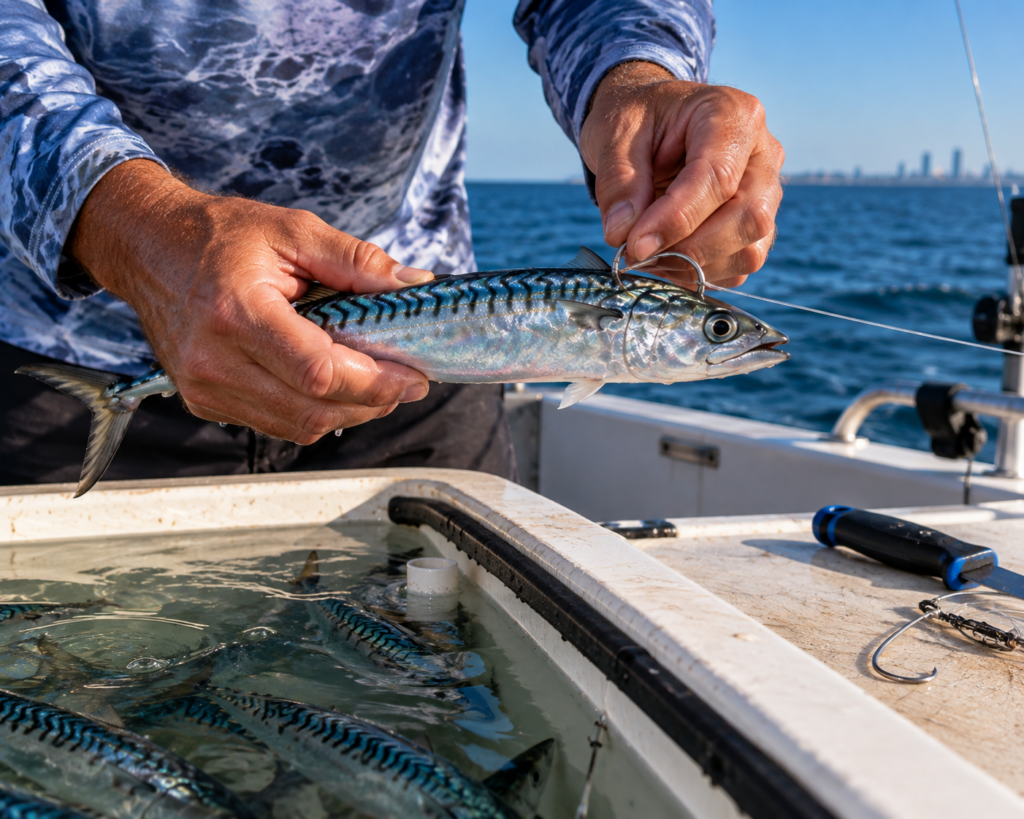
The freshness of mackerel bait is important. If the fish are to be kept alive, care must be taken in handling them from the time they are brought aboard. Avoid squeezing them unnecessarily, and minimise the time they spend out of the water.
The hook and rig should be appropriate for the size of the bait and the target species. The objective is to keep baitfish in a natural swimming position while allowing them freedom of movement.
Keeping Live Bait in Good Condition
Live baits need clean, oxygenated water and handling. Overcrowding a bait tank, allowing water quality to deteriorate, or exposing baitfish to excessive heat can quickly reduce their condition.
Anglers can benefit from a crew’s experience with bait management on a charter boat. Maintaining bait health is not just a matter of keeping sufficient fish; it’s about keeping them in good condition until they’re needed.
Slimy Mackerel Are Also Good to Eat
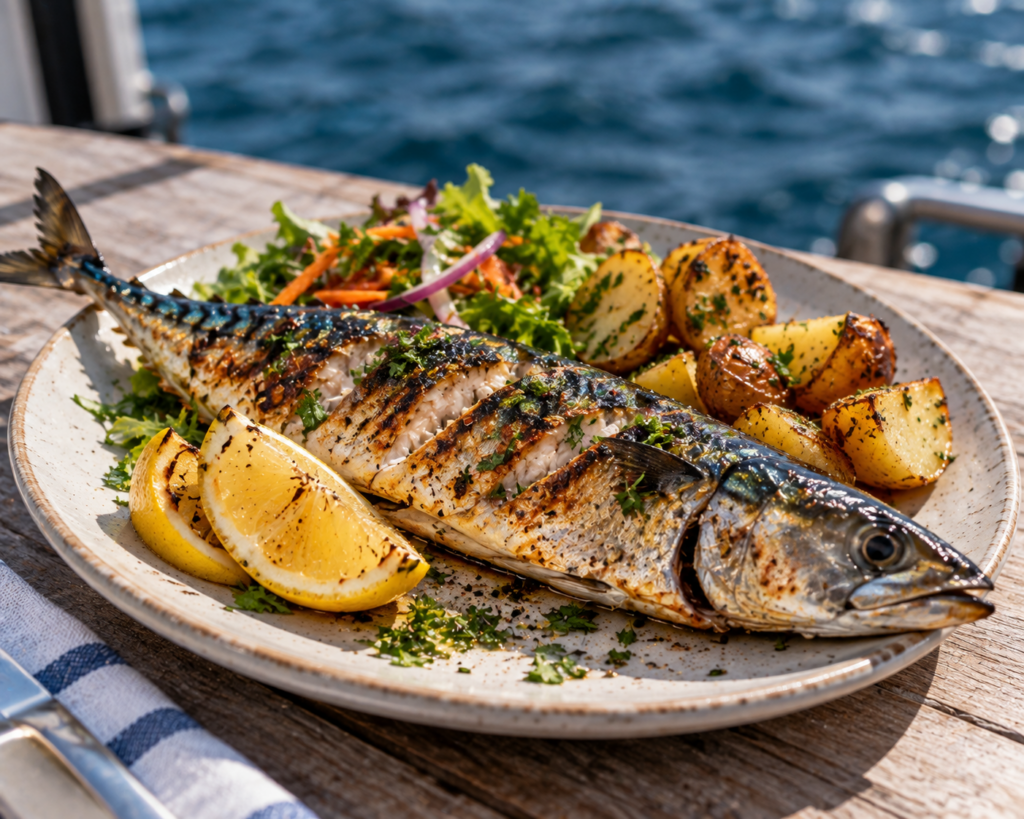
Slimy Mackerel are not just baitfish. Blue Mackerel have also been commercially supplied for human consumption in Australia, and the species can be prepared in various ways. As with any other fish, the quality of the final meal depends on the freshness of the catch and how it is handled and prepared.
Preparing Them for the Grill
Grilling is an easy way to prepare fresh mackerel. Once the fish is cleaned and prepared, the seasoning should be kept to a minimum so that the fish’s natural flavour comes through. Depending on your tastes, oil, salt, pepper, citrus, and herbs can all be good options.
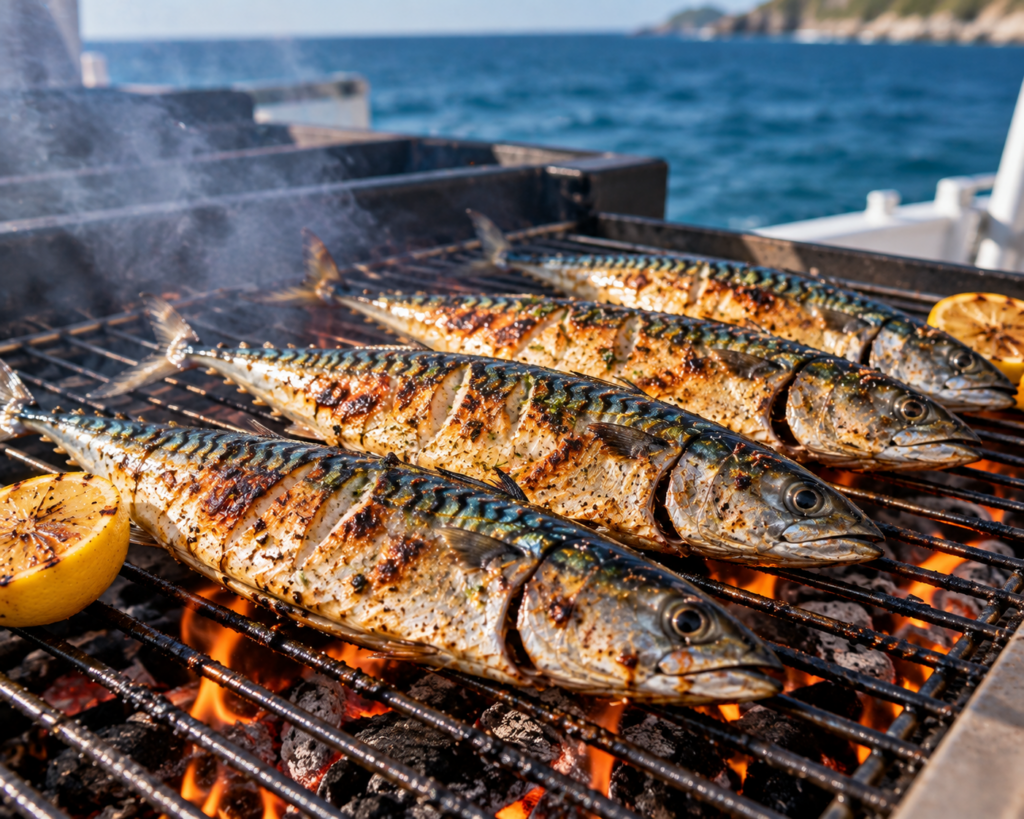
Mackerel is an oily fish, so it cooks well over direct heat, but should be closely watched. The cooking time will vary depending on the fish’s size and thickness and the grill’s temperature. Cook food thoroughly and practise proper food safety.
Smoking Slimy Mackerel
Another practical method for mackerel is to smoke the fish. This can include salting or brining before smoking and a controlled cooking or hot-smoking process based on the method used.
Take a food thermometer and follow your smoker’s instructions. Cooking time will depend on the size of the fish, the method of preparation, and the equipment, so a fixed time would not necessarily be applicable.
Why Freshness and Proper Handling Matter
Mackerel should be chilled on ice as soon as possible after being caught if they are being kept for food. Before keeping a catch, anglers should also check current Queensland size and possession limits, along with any applicable seasonal regulations. General fishing advice should be considered alongside current government guidance, as regulations may change.
Whether the fish will be used as bait or food should determine how they are handled from the beginning. Fish used as live bait should be handled to keep them alive, and fish used for food should be chilled and protected from contamination. Keeping these purposes separate helps anglers manage the catch carefully.
Catching Slimy Mackerel on a Gold Coast Fishing Charter
Reef & River Charters offers private Gold Coast fishing charters, including deep sea charters planned around the weather, tides, and seasonal fish activity. Trips go out to sea based on the weather and tides, with an experienced local skipper and quality bait and tackle.
Suitable Fishing Conditions
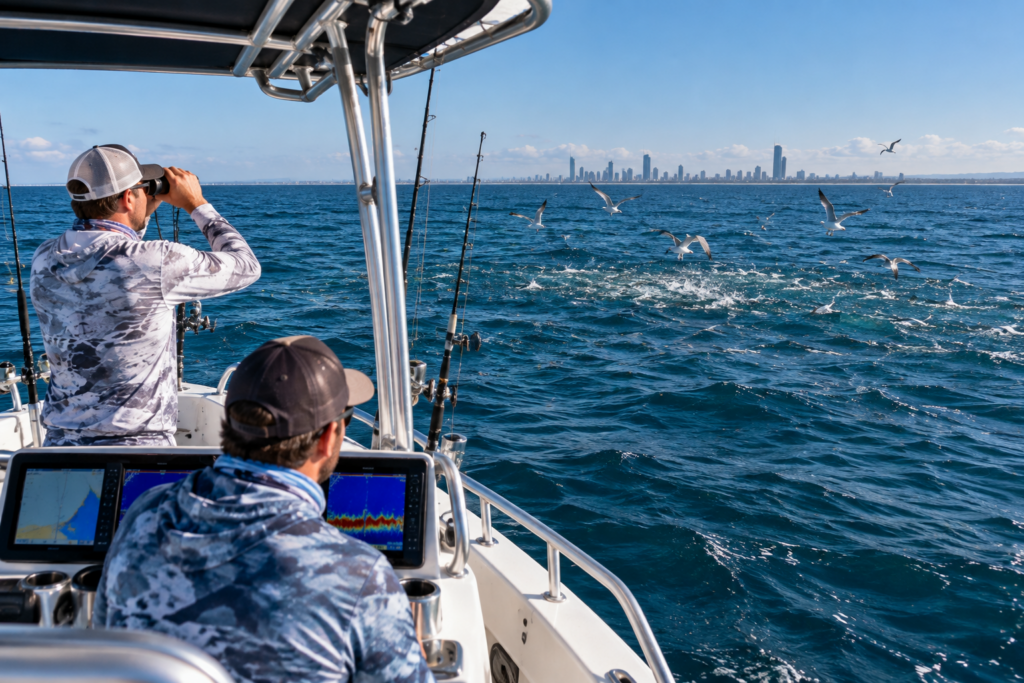
Baitfish activity may be different by location, tide, season, and water conditions. Don’t assume that a certain location will always be good for fishing; be ready to move and adjust. This is particularly relevant when searching for fishing spots Gold Coast anglers can access offshore.
Tackle and Techniques
The type of tackle used will depend on whether Slimy Mackerel are being targeted for bait or retained for the table. Light tackle may be helpful when fishing for small schooling fish, and bait presentations for larger predators should be appropriate to the target species.
It is important to follow local regulations, such as those regarding recreational fishing gear, protected species, size limits, and possession limits.
How a Skipper Can Help Locate Them
When things change, local knowledge can save time! Reef & River Charters says that its private charters are arranged based on the weather, tides, and fish activity, and are skippered by an experienced local skipper with extensive knowledge of the waterways.
Anglers fishing in Queensland waters may encounter not only Blue Mackerel, but also larger Spanish, spotted or school mackerel. Using the correct species names helps prevent confusion when checking regulations, identifying fish or searching for recipes.
The condition of mackerel is as important as size for bait fishing. Prompt chilling and clean handling are a priority when fish are to be used for food.
Gold Coast fishing plans may change with conditions, as the area offers estuarine and offshore fishing opportunities. A private trip gives the skipper the flexibility to adjust the itinerary instead of remaining at one location. This can be helpful when baitfish are scarce, or predators are elsewhere. It can also help to make better use of the available fishing time when conditions change.
From Live Bait to Dinner: Getting More From Your Catch
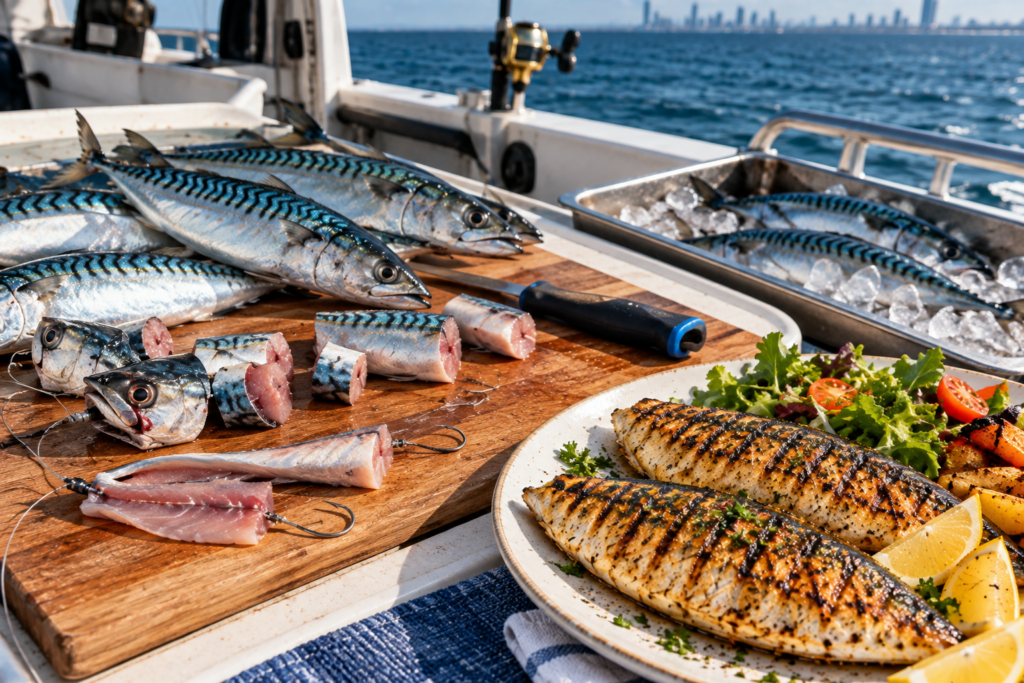
Slimy Mackerel show that baitfish can have more than one use. They can be important for a productive fishing strategy and, if kept legally and handled properly, can also be a good fish to eat.
If you’re an angler on a Gold Coast fishing charter, you may find it useful to understand the role baitfish play in the marine food web. The common thread is careful handling, whether using a fresh mackerel as bait or keeping a legally caught fish to take home for the grill. Under the right conditions and with local advice, Slimy Mackerel can be a versatile fish to target on a day out.