
A deep sea fishing trip is quite different from fishing in a river or estuary. Anglers do not stay in sheltered waters but go offshore to deeper waters, where reef structure, currents, and seasonal fish activity may offer different opportunities. If you have never been on a boat trip before, knowing what to expect before, during, and after departure makes it easier to plan.
What Is Deep Sea Fishing?
Offshore fishing involves fishing away from protected coastal waters and in areas exposed to the open ocean. A skipper doesn’t just pick a fishing spot because it’s close to shore; they consider the conditions, structure, depth, and the species they’re targeting.
For visitors comparing Gold Coast fishing locations, this is a chance to try something new. Deep water fishing typically takes place around offshore reef areas and other productive habitats rather than beaches, canals, or rivers.
Getting Ready Before Departure
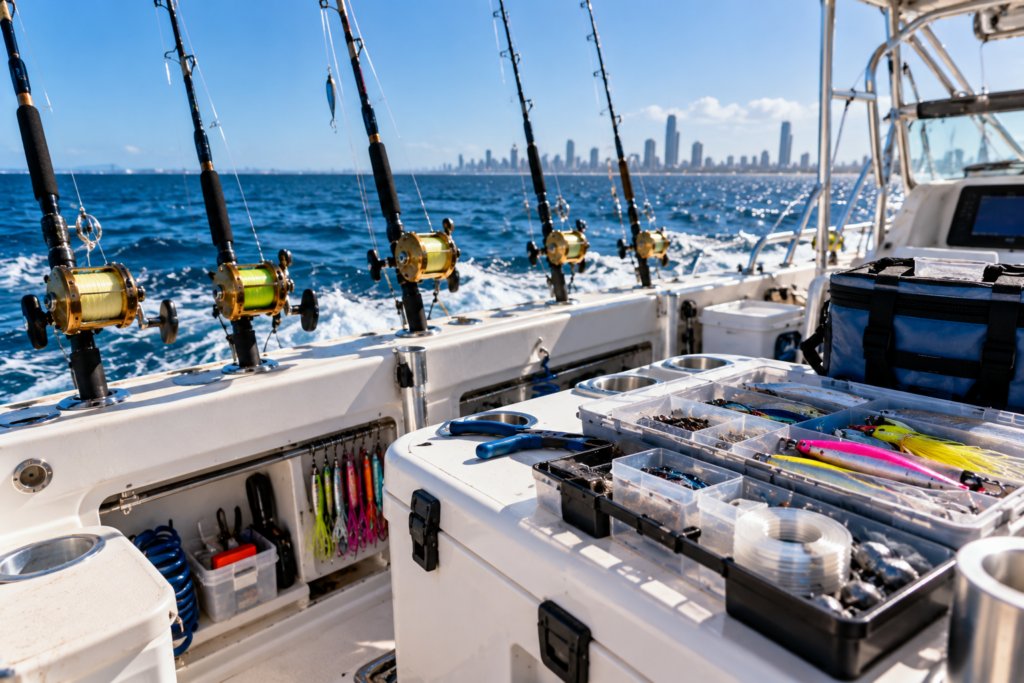
Quality fishing gear, bait, and tackle are included when booking a private deep-sea charter with Reef & River Charters private deep-sea charters, so guests can focus on the trip instead of putting together their own full set of offshore gear.
What to Bring
Practical items for a day on the water are to be brought by guests. Reef & River Charters recommends using sun protection, polarised sunglasses, food or snacks, and a camera. Medication for seasickness can also be helpful for those prone to seasickness. Guests are asked to bring their own drinks to the experience in cans or non-glass bottles, and cold bottled water is provided on board.
Understanding the Trip Length
Currently, Reef & River Charters offers private deep-sea charters for 5 or fewer passengers, available for 5– and 8-hour charters. The longer option provides additional time to pursue fish and make use of favourable conditions.
Weather and Sea Conditions
Weather and sea conditions are closely related to offshore fishing. Reef & River Charters’ deep-sea trips are weather-dependent, with itineraries planned around the day’s conditions. A skipper will be able to fine-tune the approach for the day if the wind, swell, current, or other conditions dictate where it is safe to fish.
Leaving the Gold Coast and Heading Offshore
The journey starts with leaving the coast and moving towards the open sea.
If the vessel is in motion, the skipper assesses the weather and selects a starting point. On a private charter boat, the plan may be modified throughout the day rather than focusing on one spot.
The main thing that sets deep-sea fishing on the Gold Coast apart from other fishing experiences is that it is not just a single point marked on a map. Offshore fishing requires an understanding of the water and the ability to pick the right locations for the conditions.
Finding Productive Fishing Water
Reef Structure
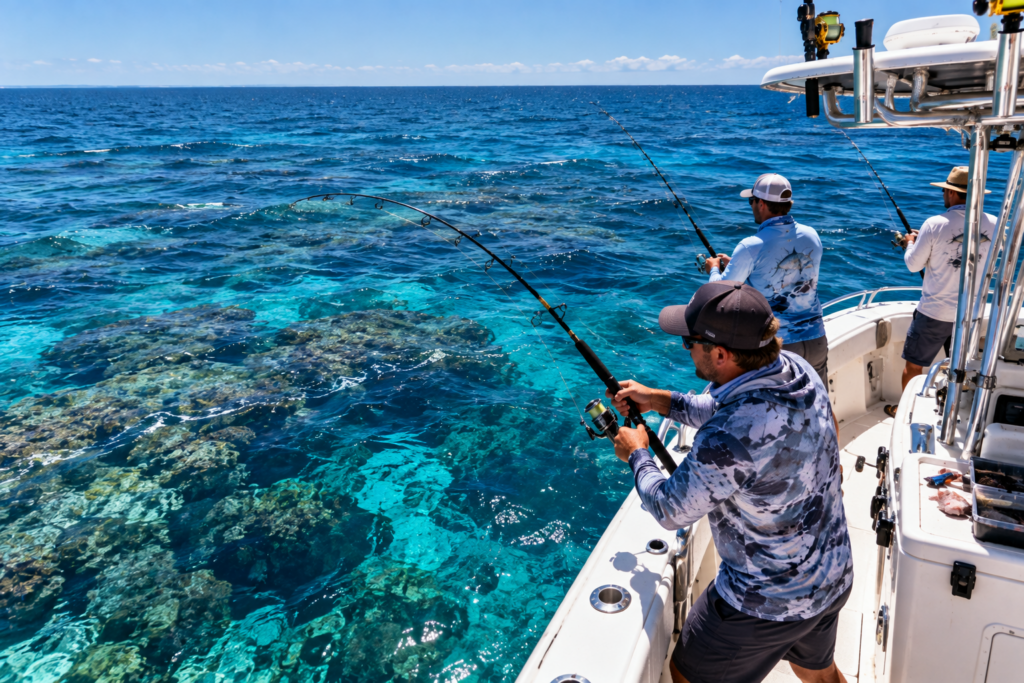
Reef areas can offer complex habitat for fish to shelter in, feed, and move around, depending on water conditions. Productive structure is important to offshore fishing. Use local knowledge to help identify areas to try, not just on a map.
Depth and Bottom Conditions
The species and techniques that can be used depend on the depth. Depending on the target species and conditions, offshore anglers can fish at various depths during the same fishing trip. The other factor is bottom composition, as it can create different habitats on the rocky reef, in sand, and among other underwater features.
Current and Water Movement
The movement of bait, lures, and rigs through the water is influenced by current. Current can also affect where fish position themselves.
What Can You Learn During an Offshore Fishing Trip?
A charter is more than just holding a rod. It provides new anglers a hands-on understanding of offshore fishing. First-time anglers can learn the importance of selecting tackle and presentation, and of making adjustments when conditions change.
Tackle selection is determined by depth, technique and target species. Bait presentation also varies depending on the circumstances and the type of fish being targeted. Underwater structure, depth and water movement are also important factors in fish-finding.
With over 20 years of fishing experience on the Gold Coast, Reef & River Charters’ local skipper can offer practical advice during its private fishing experiences.
What Makes a Deep Sea Charter Different From Fishing From Shore?
Shore fishing restricts anglers to areas accessible from shore, while an offshore trip allows them to move between fishing areas by boat. This mobility is especially beneficial for reaching deeper water or offshore reef structure.
Transport, equipment, and local guidance are also included in a deep-sea fishing charter. On its private deep-sea fishing trips, Reef & River Charters provides fishing gear, bait, and tackle so that guests do not have to organise their own gear.
Another major distinction is the role of the skipper in fishing charters versus a day planned by the angler. Guests are accompanied by an experienced skipper who understands the conditions and can adjust the plan.
Planning Gold Coast Deep Sea Fishing Experience
When planning a deep sea fishing charter on the Gold Coast, visitors should consider the desired trip length, weather, group size and what they want from the day. Reef & River Charters offers private five-hour and eight-hour options for groups of up to five, with the itinerary determined by conditions.
Ultimately, conditions affect the location and how the day unfolds.
If you’re interested in fishing charters on the Gold Coast, an offshore excursion will give you access to a marine environment you can’t reach from shore. Knowing what to expect can help you make the most of the experience.